
Industries We Serve
The same engineering team, applied to different machines. We bring deterministic networking, embedded control and system integration to the industries below, and each page sets out the problems we solve there.
We organise our industrial automation engineering by industry: each page below starts with what that industry works under, from the cycle time its process needs to the standards its equipment must meet, and then gets to the engineering.
-
Manufacturing
Whether you build machines, modules or silicon, we help you get ahead in your target market. Firmware and protocol depth, obsolescence cover, and the IIoT capability to keep your products current.

-
Automotive Electronics
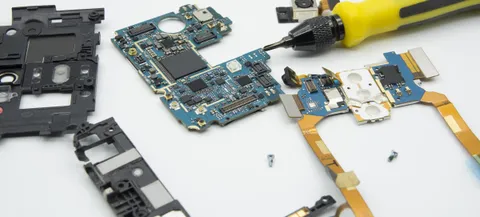
Embedded and communication engineering inside automotive electronics, for tier-1 and tier-2 development groups re-platforming onto zonal architectures. Bus and network integration, diagnostics, and the process evidence their OEM customer will audit.
-
Food Processing
The protocol, instrument and data layer beneath food and beverage lines, built for MES vendors, machine builders and integrators, from intake instruments and inspection systems through to MES and ERP.

-
Printing & Converting
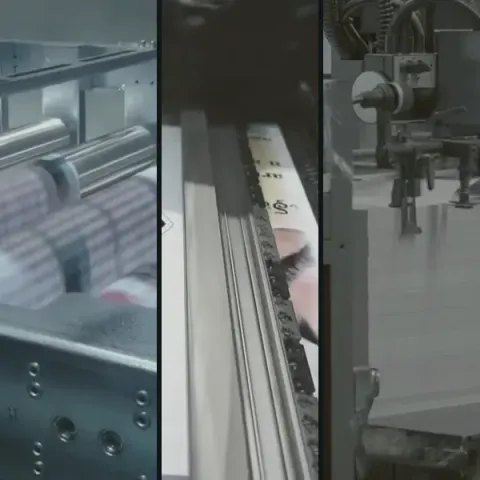
Controls, drive-synchronisation and network engineering inside printing and web-converting machinery, for the OEMs and retrofitters whose presses they are: motion and mark handling, custom IO devices, and the migration path off ageing controls.
-
Packaging Machinery
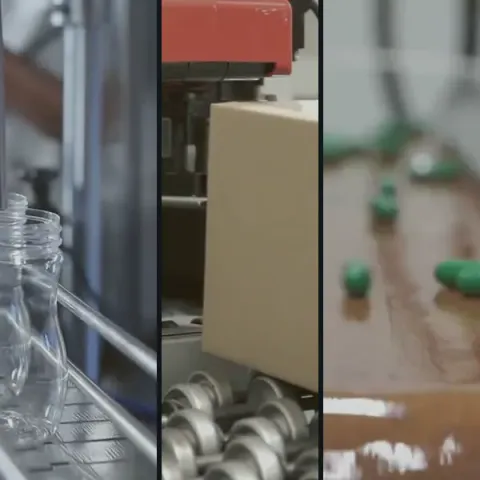
PackML and OPC UA engineering inside packaging machinery, for the OEMs and integrators whose machines they are: one state model across a line of different builders' machines, plus the gateway and sensor I/O layer underneath it.
-
Textile
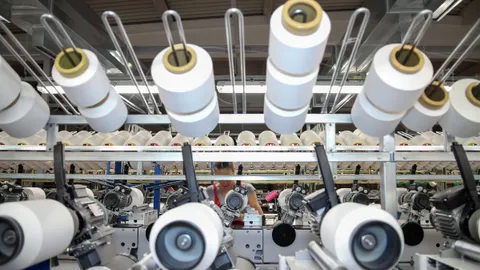
Deterministic motion, spindle-level monitoring and embedded control designed into textile machinery, for the OEMs, integrators and MES providers who build and ship it: EtherCAT drive synchronization, the per-spindle detection layer, and the data path their machine presents to a mill.
-
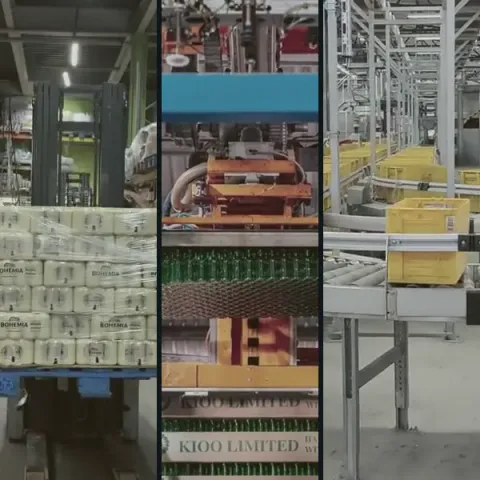
Material Handling
The controls and networking layer of material-handling systems: conveyor, AS/RS and AGV control design, industrial fieldbus segments and safety functions carried on the control network, engineered for the system integrators and equipment builders whose floor it is.
-
Automotive
The plant-floor network, test-system and embedded layer beneath an automotive production line: deterministic networking, end-of-line testers and traceability paths, engineered for the MES vendors, line integrators and manufacturing engineering groups who deliver into vehicle plants.
-
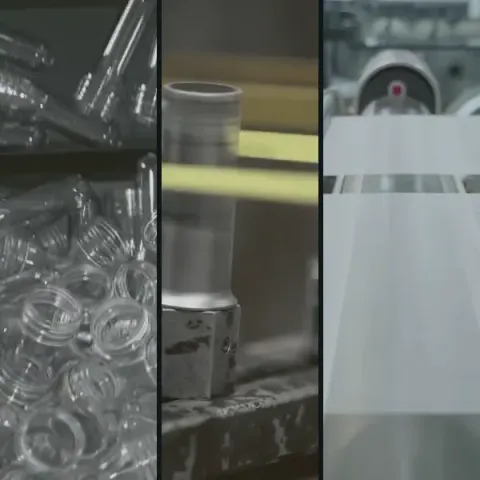
Plastics & Injection Molding
EUROMAP OPC UA integration for plastics and rubber machinery, built for the machine vendors and integrators whose cells they are: machine-to-MES interfaces, robot and auxiliary connectivity, and a route onto OPC UA for cells still exchanging data as files.
-
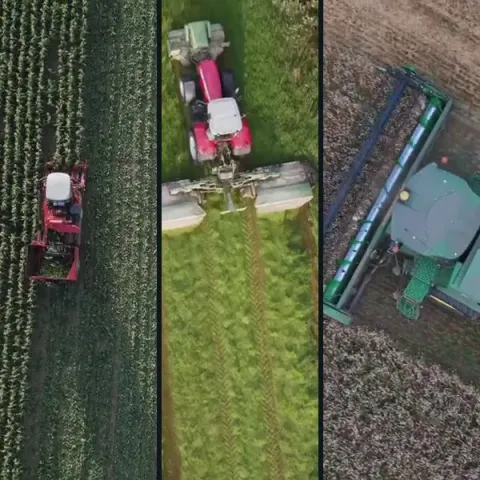
Agritech Machinery
Connectivity and control engineering inside agricultural machinery, for the OEMs whose machines they are: the machine-end data path to a remote-service platform, control retrofits off obsolete or closed platforms, and the CAN-based interfaces underneath both.
-
Mobility
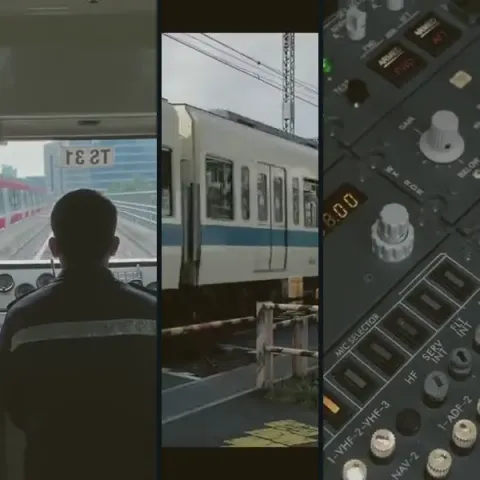
Mobility platform control network engineering for rail, marine and airborne systems, where the platform cannot be taken out of service to recover a fault, the machinery arrives from several suppliers using several protocols, and the equipment has to stay serviceable for decades.
Who we work with
Most of our work is for the people who build and integrate the equipment.
- Machine builders and device OEMs, silicon and module vendors, MES providers, and system integrators delivering into a plant. We supply the engineering layer they would otherwise have to staff for one project alone, such as protocol integration, stack ports, board bring-up and obsolescence work. They maintain the customer relationship.
- Plant operators, usually on a bounded problem: a line that has to keep running after its controller goes end-of-life, or process data that has to reach an MES which was never designed for the machines feeding it.
Why does the industry matter if the protocols are the same?
Industry decides the constraints the protocol runs inside, and those change the job completely.
Between a packaging line, a textile mill and an engine room, that means the cycle time the process demands, the standards the equipment is audited against, the washdown or vibration the hardware sits in, and how much downtime a change is allowed to cost. An EtherCAT servo integration on a converting line and an EtherNet/IP retrofit on an assembly line are not the same job, and they have to be scoped and priced accordingly. So instead of assuming from a datasheet, we lead with the machine and its constraints.
Browse by constraint, not by label
The closest page by constraint is usually more informative than the closest by industry name.
| The constraint you are under | The page that works it through |
|---|---|
| Tight motion timing | Printing and converting |
| Electronics that go obsolete before the machine does | |
| Several suppliers’ equipment reporting as one | Packaging machinery |
| Changes allowed only in a maintenance window | Textile |
| Heavy traceability | Food processing |
| Washdown hygiene | |
| Safety communication on the same network | Material handling |
| No single fault may stop control | Mobility |
| Long service life in a harsh environment | |
| Process evidence a customer audit will check | Automotive electronics |
| Telemetry over an intermittent link | Agritech machinery |
The engineering underneath is portable in a way the vertical labels are not. We have also delivered integrations beyond the pages above, ranging from pharmaceutical manufacturing to aerospace and power turbines, and covering SCADA system components, condition-monitoring systems and on-deck telemetry. If that is your equipment, talk to an engineer and we will work through the design requirement with you.
Don't see your industry?
The underlying engineering travels well. Describe your plant or product and we will scope it with you.